Quality control is essential in B2B shoe manufacturing because even minor defects can affect customer satisfaction, product returns, and brand reputation. A professional shoe factory implements quality checks at every stage of production, not just at the final inspection.
The first stage is incoming material inspection. Leather, textiles, synthetic materials, soles, threads, adhesives, and hardware are checked before they enter production. This helps identify issues such as surface defects, incorrect thickness, poor color matching, or low material durability early in the process.
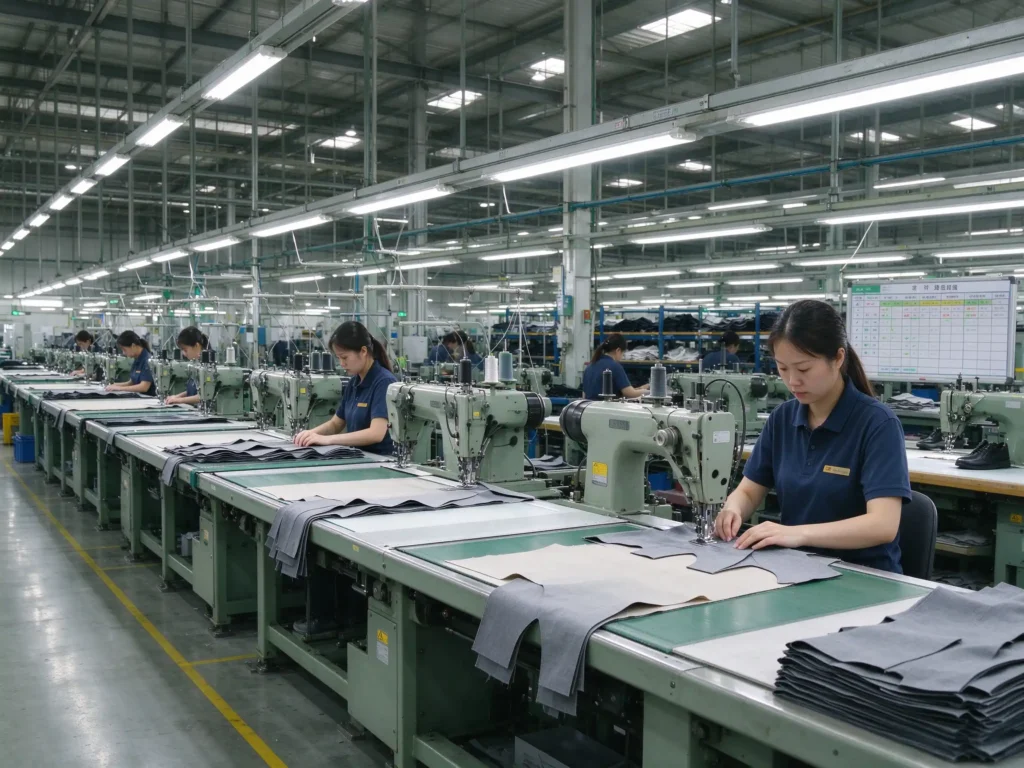
The second stage is in-line inspection during production. As shoes are cut, stitched, lasted, and assembled, quality staff check critical operations such as stitching density, pattern alignment, adhesive application, sole bonding, and component placement. Catching problems at this stage reduces waste and prevents defects from reaching the end of the line.
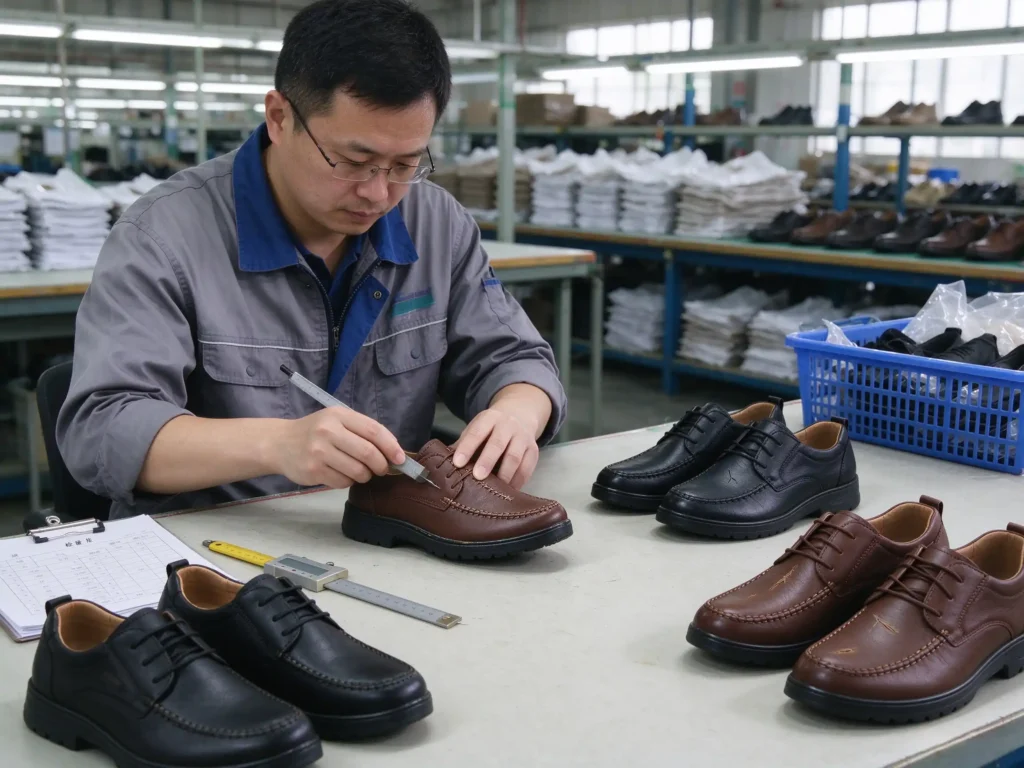
The third stage is final finished inspection. Completed shoes are checked for appearance, comfort, size accuracy, shape symmetry, color consistency, and functional performance. Depending on the product type, this may include pull tests, flex tests, water resistance tests, slip resistance tests, or packaging checks.
A good B2B shoe factory also maintains clear documentation. Inspection reports, sample approvals, material certificates, and corrective action records help ensure transparency and accountability. This is especially important for customers who sell through retail channels, e-commerce platforms, or international markets.
Key points: incoming material inspection, in-line checks, final inspection, functional testing, documentation and traceability.