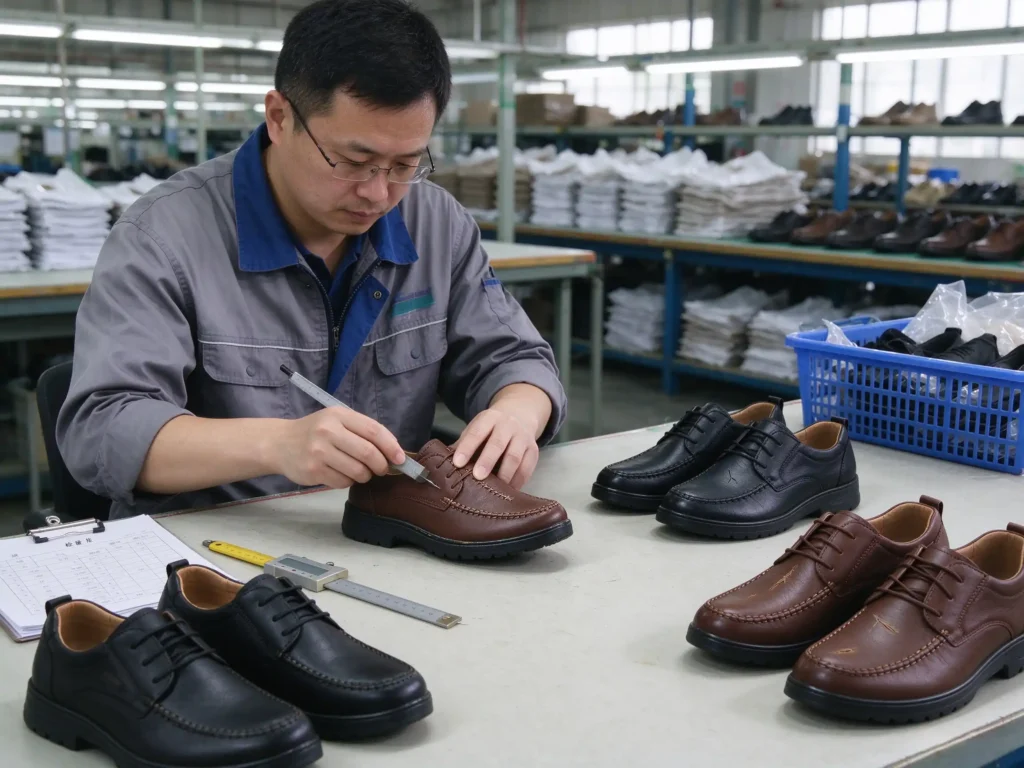
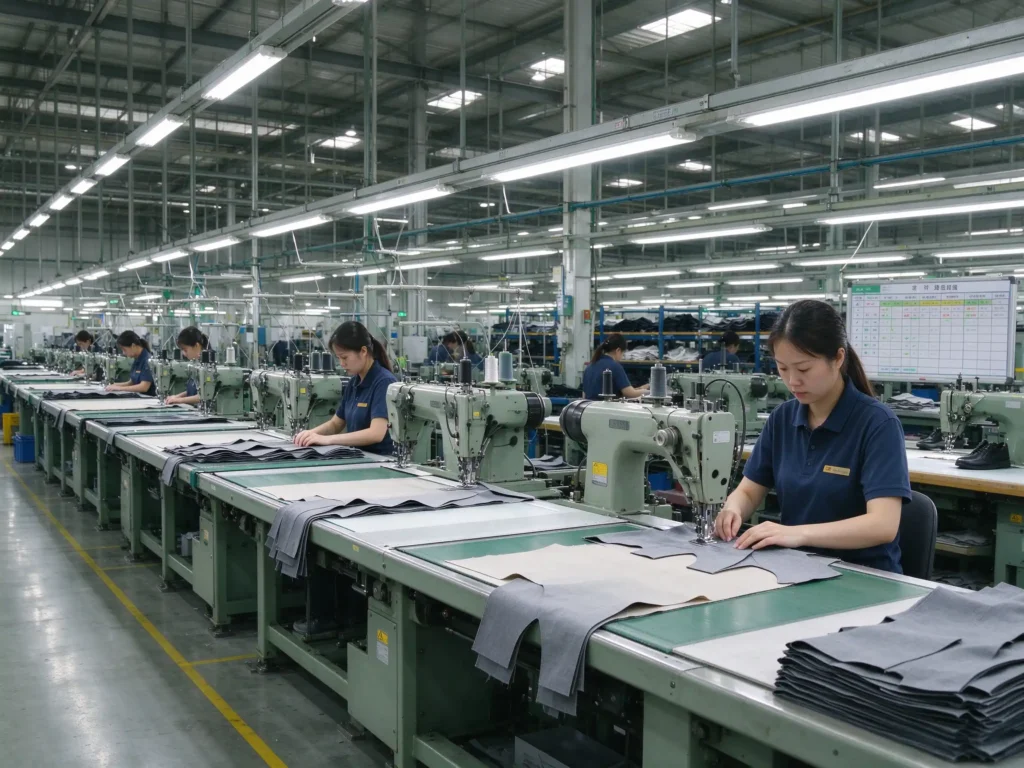
Sustainability is no longer just a trend in the footwear industry—it has become a core expectation from brands, retailers, and end consumers. B2B shoe factories are increasingly adopting more sustainable manufacturing practices to reduce environmental impact and support customers’ green product goals.
One major area is material selection. Many shoe manufacturers are exploring recycled rubber soles, organic cotton, recycled polyester, bio-based fabrics, chrome-free leather, and water-based adhesives. These materials can help reduce the use of virgin resources and lower the environmental footprint of each pair of shoes.
Another important area is waste reduction. Footwear production generates offcuts, defective parts, and leftover materials. Professional factories are improving cutting layouts, sorting reusable materials, reducing scrap rates, and establishing recycling systems for rubber, foam, fabric, and plastic components.
Energy and water management are also important. Factories that invest in efficient lighting, optimized production equipment, water recycling systems, and cleaner processing methods can reduce resource consumption over time. While these improvements may require initial investment, they often lead to long-term operational stability and lower costs.
For B2B customers, sustainability also means transparency. Brands want to know where materials come from, how products are made, and whether factories meet ethical and environmental standards. Clear information about material composition, manufacturing processes, certifications, and social compliance can help customers tell a stronger product story.
Key points: recycled materials, waste reduction, energy efficiency, water management, supply chain transparency.