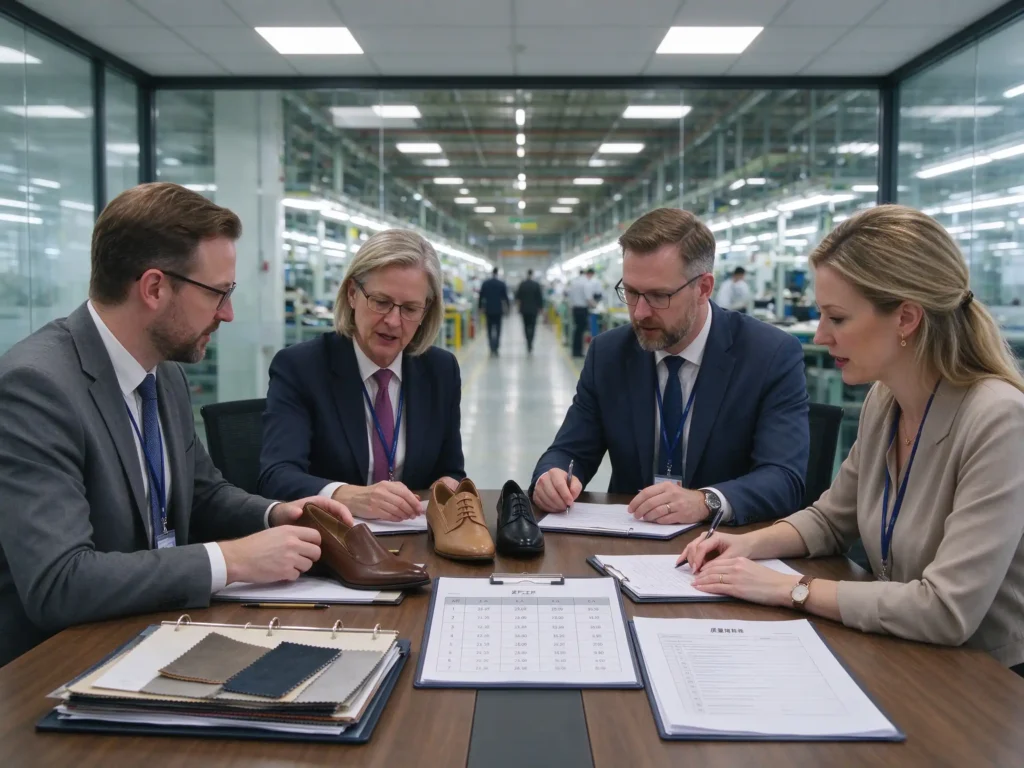
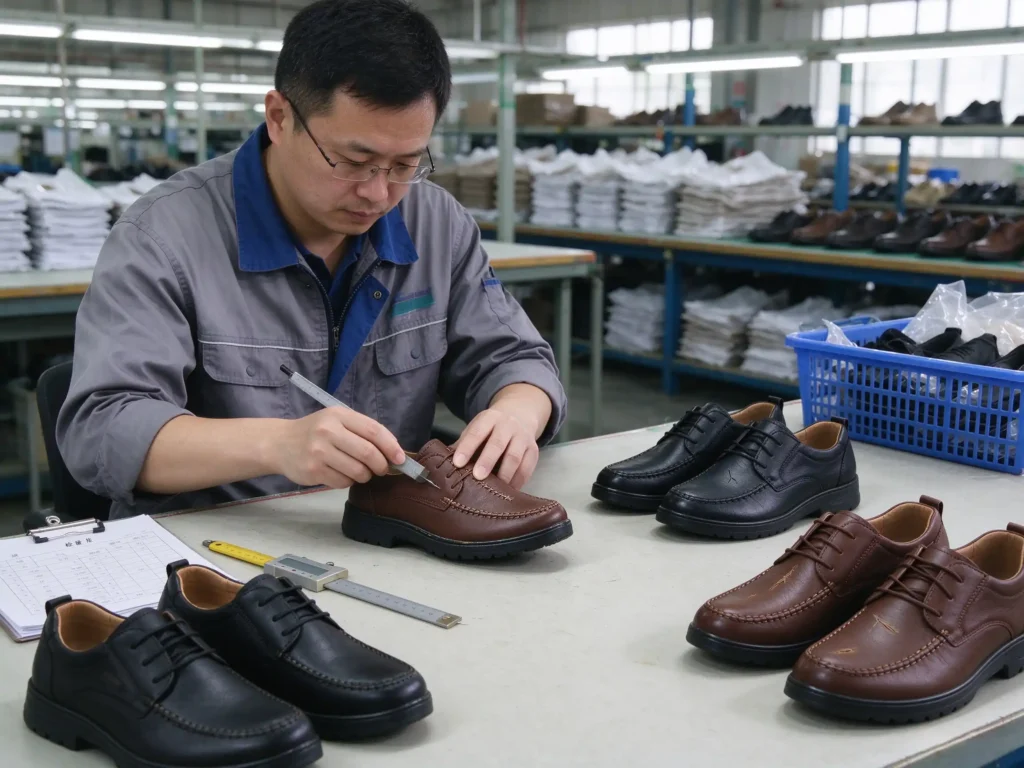
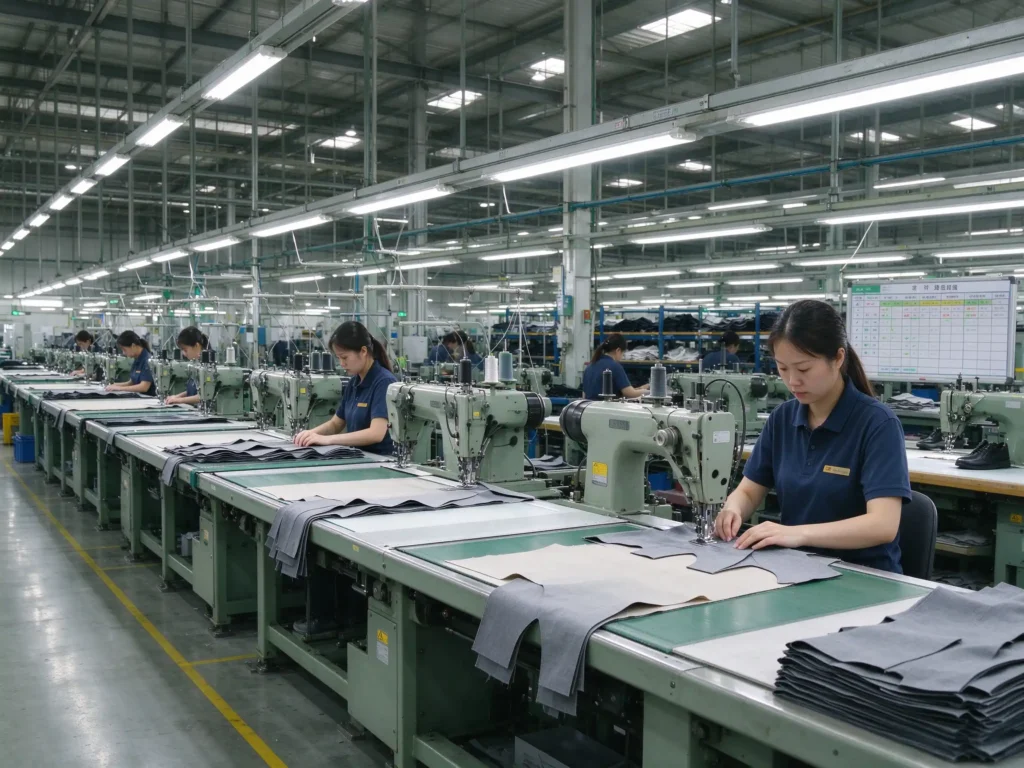
When working with a B2B shoe factory, you will often encounter the terms OEM and ODM. Both are common production models in the footwear industry, but they suit different customer needs. Understanding the difference can help you choose the right service for your brand.
OEM, or Original Equipment Manufacturing, means the customer provides the design, specifications, samples, and material requirements. The shoe factory then manufactures the product according to the provided technical package. This model is ideal for brands that have their own design team, clear product standards, and full control over the product identity.
ODM, or Original Design Manufacturing, means the factory takes on more responsibility for product development. In addition to manufacturing, the shoe factory may offer design support, material suggestions, prototype development, sample making, and technical optimization. This model is especially useful for smaller brands, distributors, and retailers who want to develop new footwear collections without investing in a large in-house design team.
Many B2B shoe factories today offer both OEM and ODM services. Some customers start with ODM to develop a new style, then switch to OEM once the design is finalized and mass production begins. Others use ODM for trend-driven collections and OEM for core products that require strict brand control.
When selecting a service model, consider your internal capabilities, product complexity, time-to-market, and level of customization. If design speed and product innovation are important, ODM support may add value. If brand identity and technical precision are the priority, OEM may be the better choice.
Key points: OEM for strict specification production, ODM for design and development support, flexible service models, brand control, time-to-market.