Working with a B2B shoe factory can be a very efficient way to develop and produce footwear, but success depends on preparation, communication, and alignment between both sides. A well-organized customer is more likely to get better samples, smoother production, and more reliable delivery.
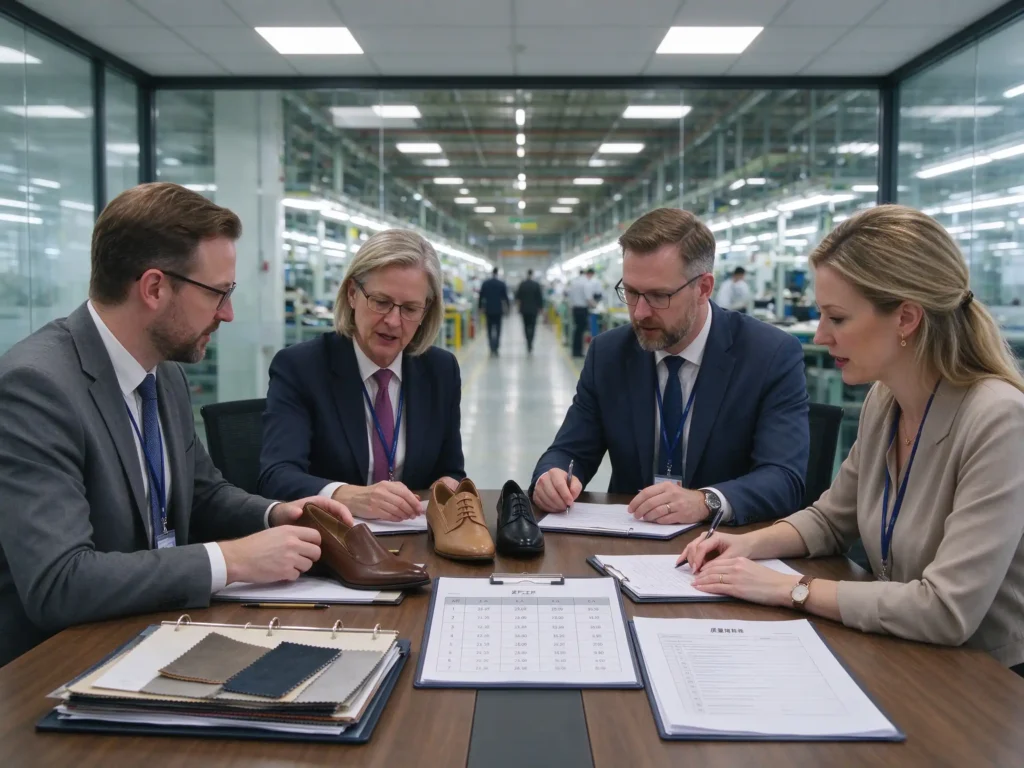
The first step is to clarify your product requirements. Before contacting a shoe factory, prepare as much detail as possible, including target price, order quantity, size range, materials, colors, style references, quality standards, and delivery date. The more specific you are, the easier it is for the factory to provide an accurate quotation and realistic production plan.
Second, understand the sample development process. Sampling is a critical part of B2B shoe manufacturing. It allows you to verify design, fit, materials, construction, and cost before mass production. Be prepared to review samples carefully, provide clear feedback, and allow time for revisions.
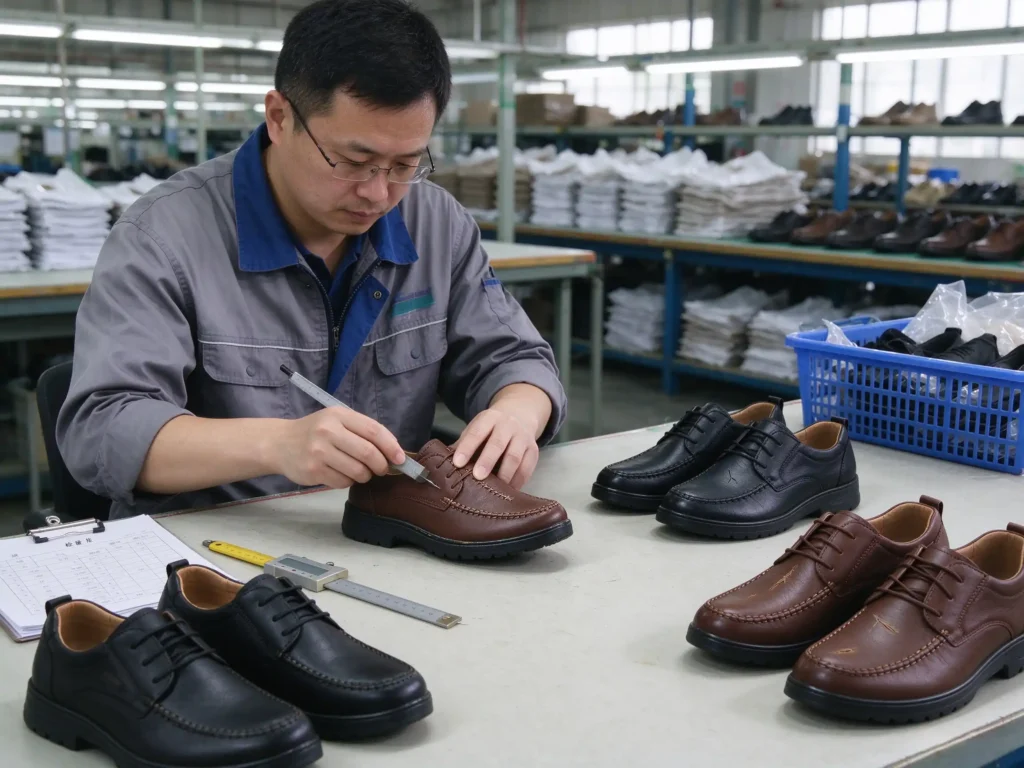
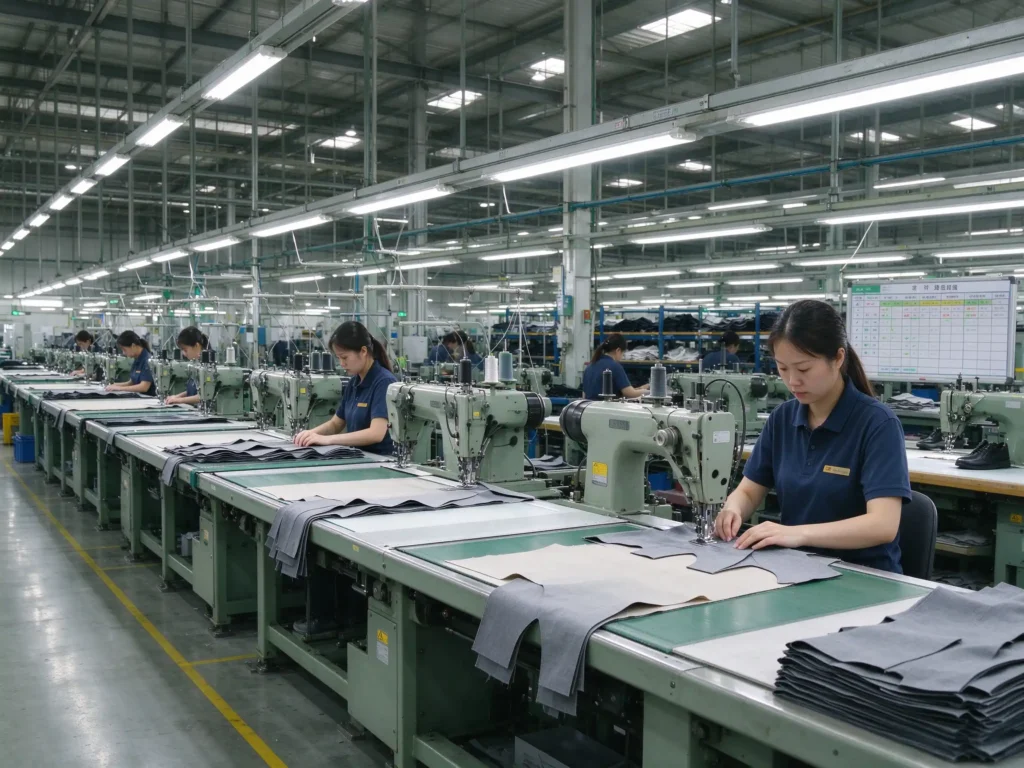
Third, set realistic expectations for production time. Footwear manufacturing involves material preparation, cutting, stitching, lasting, assembling, finishing, inspection, and packing. Each stage takes time, especially for complex styles or large orders. Rushing the process can increase defects and reduce quality.
Fourth, maintain regular communication. During production, ask for updates on material arrival, sample approval, production progress, inspection results, and shipping status. Good factories will keep you informed, but proactive communication from the customer side also helps avoid delays.
Finally, build a long-term relationship. B2B shoe manufacturing is based on trust, consistency, and mutual problem-solving. Factories that understand your brand standards, quality expectations, and order requirements will become more efficient over time.
Key points: clear requirements, sample development, realistic lead times, regular communication, long-term partnership.